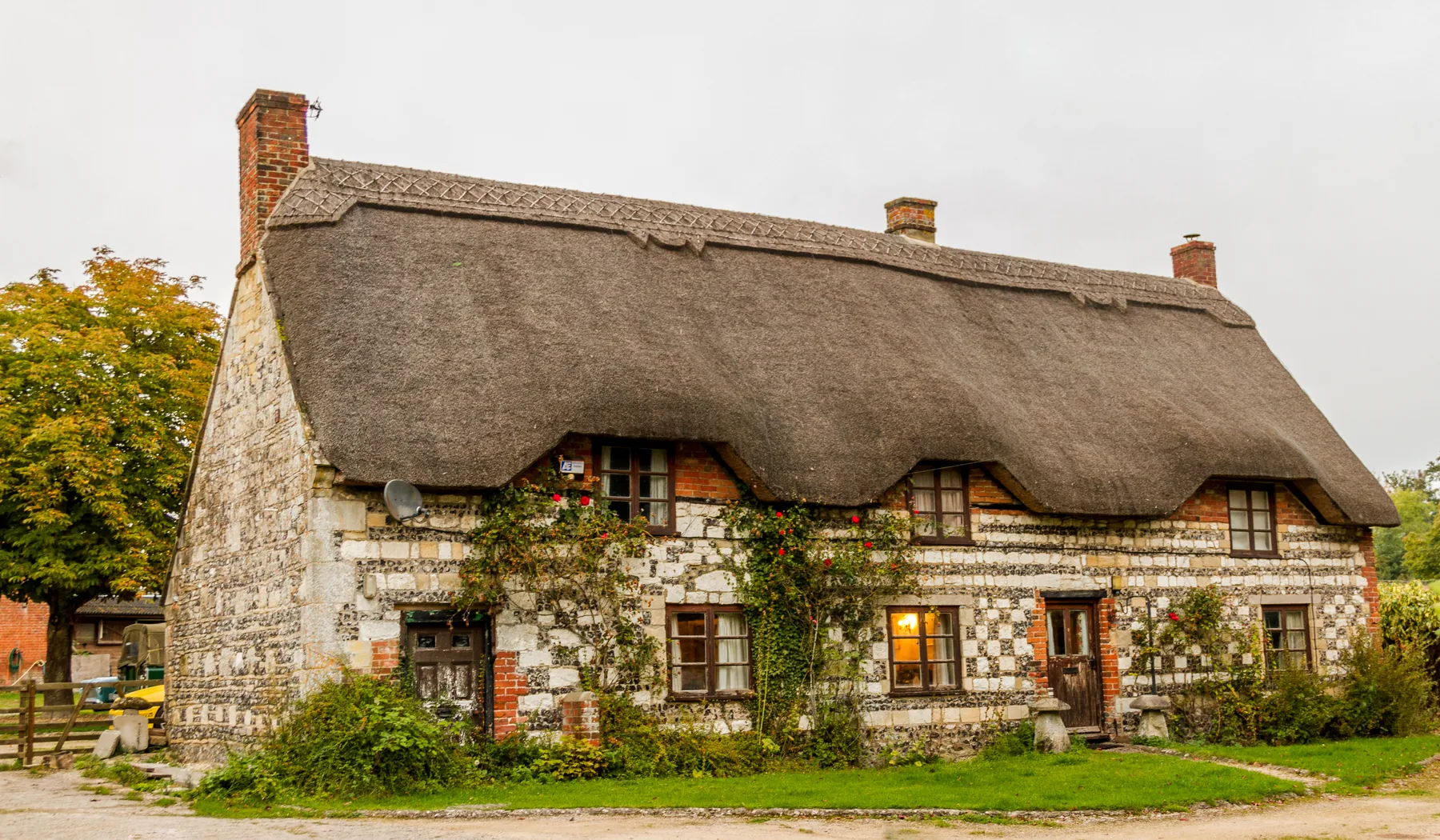
Record what is known
Keep the material identified by your thatcher, surveyor or conservation professional. If different slopes or layers use different materials, record that rather than forcing the property into one dropdown value.
Material can matter to repair choices
Repair, patching and recoating should be discussed with a competent thatcher who understands the existing roof. The material affects technique, availability and the appearance of the finished work.
Listed buildings need extra care
Historic England specifically addresses conservation issues when changing thatch material. If a listed roof is proposed to change material or technique, discuss consent with the planning authority or conservation officer before work.
Keep material with each major roof event
If a ridge, patch or coat is renewed, store the material and contractor note with that event. A future owner can then see whether the roof has changed over time.
Avoid oversimplified lifespan comparisons
Material is only one factor in roof longevity. Exposure, pitch, workmanship, maintenance and local conditions also matter, so do not use the material name alone to predict replacement dates.
- Historic England — Conservation of Traditional Thatch
- GOV.UK — Conserving and enhancing the historic environment
Source guidance can change. Check the current version and obtain property-specific advice where needed.