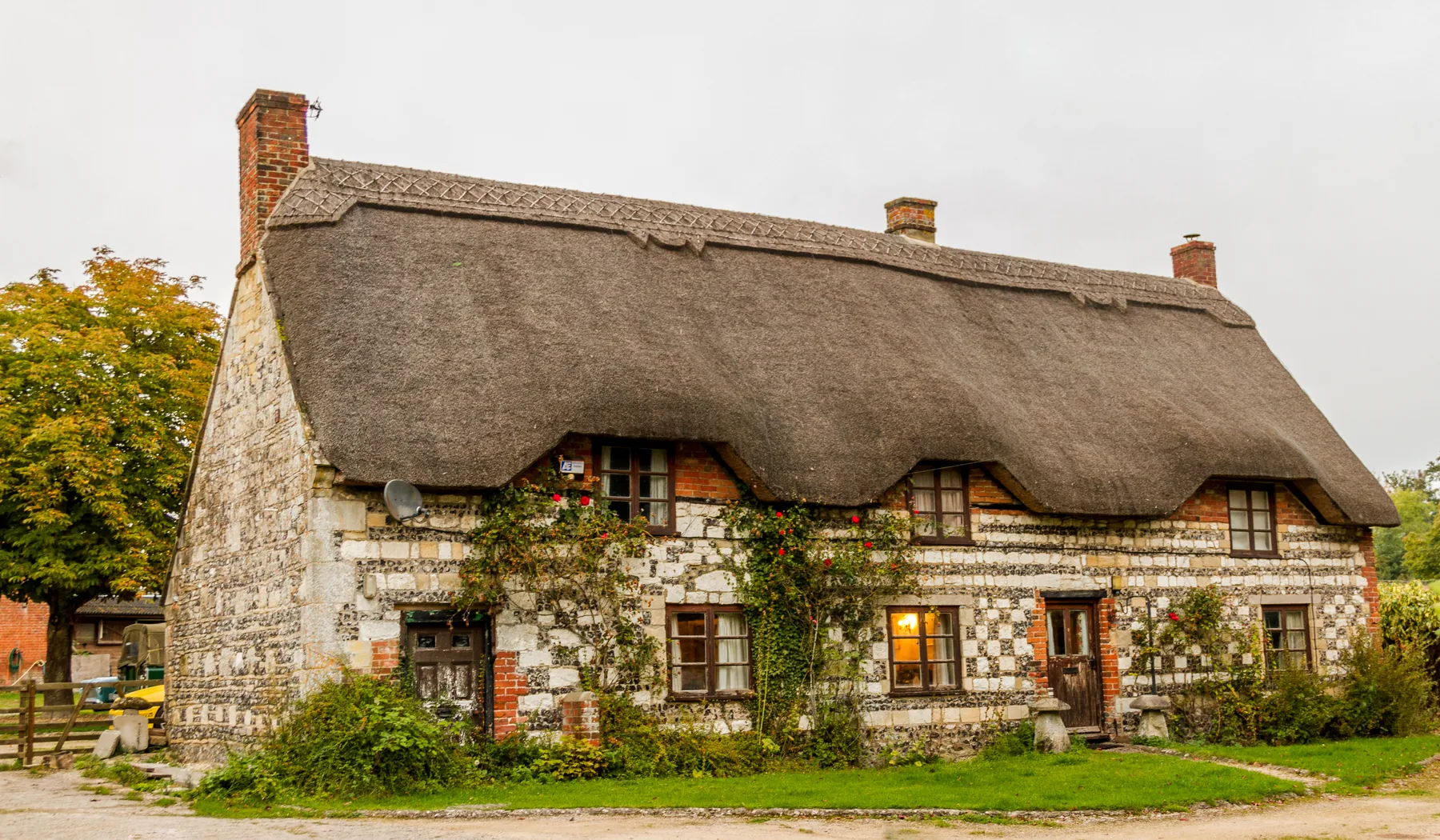
What maintenance actually means for thatch
Maintenance is not the same thing as repeatedly replacing the roof. Historic England notes that ridges, gables and chimney abutments are often the first places to show wear, while moss, algae, fungi and restricted airflow can also affect an ageing roof. The correct response depends on the material, roof design, exposure and the condition found on your own property. A competent thatcher can distinguish harmless weathering from a defect that needs attention.
For an owner, the useful job is to keep the observation history. Record which elevation was inspected, what changed since the last visit, whether a photograph was taken and whether the thatcher advised monitoring, patching, ridge work or something more substantial.
Build a repeatable inspection record
Take photographs from the same viewpoints when practical: front, rear, each gable, ridges, valleys and around chimney abutments. Consistent viewpoints make slow deterioration easier to see than a folder of random attractive photographs. Keep the date and a short note beside every image set.
Do not turn a website checklist into a technical diagnosis. If you see holes, slipping material, persistent damp, obvious thinning, unusual depressions, animal damage or a rapid change in appearance, record it and ask a competent thatcher what it means for that roof.
Keep repairs tied to the roof history
For every repair, keep the date, contractor, affected area, material used, invoice, photographs and any recommendation about future work. A simple note such as “north slope repaired” is much less useful in five years than a record saying what was repaired, why, and whether the work was expected to be temporary or long-term.
That history becomes particularly useful when a new thatcher, surveyor, insurer or buyer needs to understand the roof without starting from zero.
Do not lose the ridge history
The ridge can have a different maintenance cycle from the main coat of thatch. Record the ridge date separately from the date of the last full re-thatch or overcoat. Keep before-and-after photographs and note the ridge style if it matters to the building.
For listed buildings, changes to material or technique can raise consent questions. Maintenance and like-for-like repair may be treated differently from alterations, so check with the local planning authority or conservation officer before assuming major work is routine maintenance.
A simple owner record
At minimum, keep: last re-thatch or major coat date; ridge date; annual or periodic inspection notes; repairs; photographs; contractor details; costs; relevant consents; and the next review date recommended by the professional who inspected the roof.
That is the sort of long-term record ThatchKeeper is designed to hold.
Build a maintenance record that another professional can understand
The strongest record is chronological. Each entry should answer five questions: what was noticed, who looked at it, what was recommended, what was actually done and what evidence was kept. That sounds simple, but it prevents a common failure of long-term property ownership: recommendations and repairs becoming detached from one another.
For example, an inspection in March might note wear below a chimney, a repair in May might address it, and photographs in the following spring might confirm how the area has weathered. When these are linked, a new thatcher can see the sequence immediately. When they are scattered across email, paper invoices and phone photographs, the same history is much harder to reconstruct.
What not to put in the record
Avoid turning guesses into facts. If you do not know the exact age of a roof layer, mark it as approximate or unknown. If a damp mark has not been diagnosed, record the observation rather than naming a cause. If a previous owner says the ridge was renewed “around 2018”, keep that as a note until supporting evidence appears.
This distinction between fact, professional opinion and owner observation is one of the most valuable things a good property record can preserve.
Build a maintenance plan
Turn the maintenance dates you already know into a practical schedule, then keep the evidence beside each job in ThatchKeeper.
- Historic England — Repair or Renew the Roof in an Older Home
- Historic England — Conservation of Traditional Thatch
- GOV.UK — Conserving and enhancing the historic environment
Source guidance can change. Check the current version and obtain property-specific advice where needed.