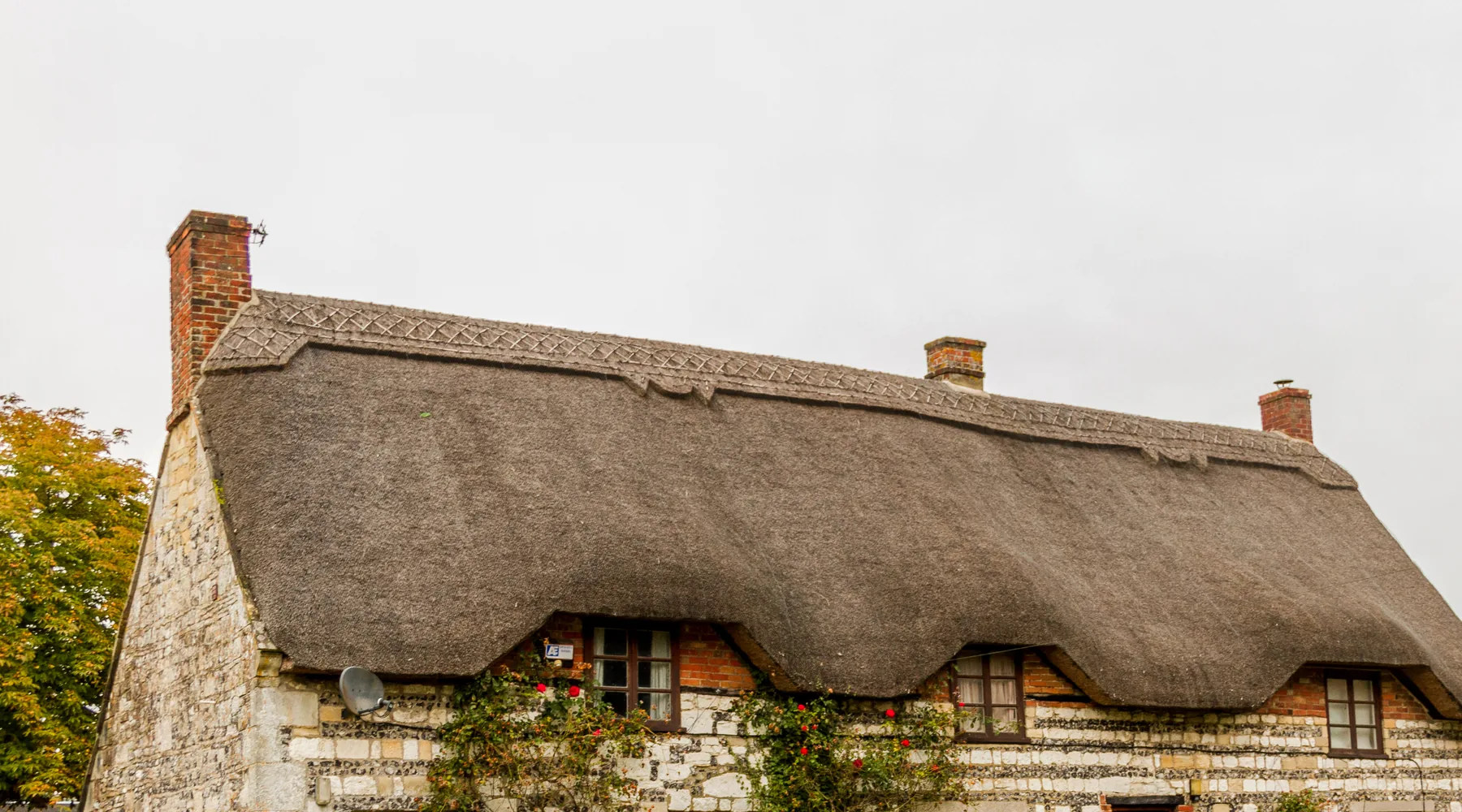
Chimneys and flues need a visible history
Fire services identify chimneys and flues as a major concern in thatched-property fires. Keep sweeping, inspections, lining work, repairs and appliance servicing in one timeline. Record which chimney or flue each entry relates to.
If a professional identifies staining, deposits, damage or another defect, save the report and track the remedial action separately.
Record alarms and electrical evidence
Government and fire-service guidance discusses smoke alarms in roof spaces and keeping electrical systems in good repair. Your own home may have a specific alarm layout, electrical inspection regime or insurer condition.
Record the device or inspection, date, provider, next planned date and evidence. Do not convert a reminder app into a declaration that a system is safe.
Contractor controls matter too
Fire services advise particular caution with hot works such as blowtorches or heat guns around thatch. If your home has contractor rules, salvage information, access instructions or utility shut-off details, keep those documents with the property record.
That information is most useful when it can be found quickly, not when it exists only in an old email thread.
Keep a salvage and emergency record
Hampshire and Isle of Wight Fire & Rescue Service recommends creating a salvage plan identifying valuable items and critical utility shutoffs. A property record can store the current plan, photographs and contact details.
Review it after major changes to the house rather than assuming a plan written years ago still describes the property.
Check current local guidance
Fire-service advice can vary in detail. Use the current guidance from your local fire and rescue service and competent professionals, and keep insurer-specific conditions separate. ThatchKeeper is designed to store those decisions, not replace them.
Make emergency information part of the property record
A safety folder is most useful when it can be found during an emergency or immediately afterwards. Keep utility shut-off information, key contacts, access notes, the location of important documents and any salvage plan in a concise section rather than spreading it through unrelated files.
If the property has vulnerable occupants, unusual access, outbuildings or valuable historic contents, review whether the emergency plan still reflects the way the house is actually used. A plan copied from a generic template without being adapted to the home is less useful than a short plan that is genuinely current.
Record professional work around heat and ignition sources
Heating appliances, electrical work, chimney changes and contractor hot works can all be relevant to a thatched property. Keep the date, provider, certificate or invoice and any safety recommendation. Where fire-service guidance and insurance conditions differ in detail, preserve both sources and follow the requirements that apply to your property.
- Hampshire & Isle of Wight Fire & Rescue Service — Thatched living
- Devon and Somerset Fire and Rescue Service — Thatched properties
- GOV.UK — Fire safety in the winter
Source guidance can change. Check the current version and obtain property-specific advice where needed.