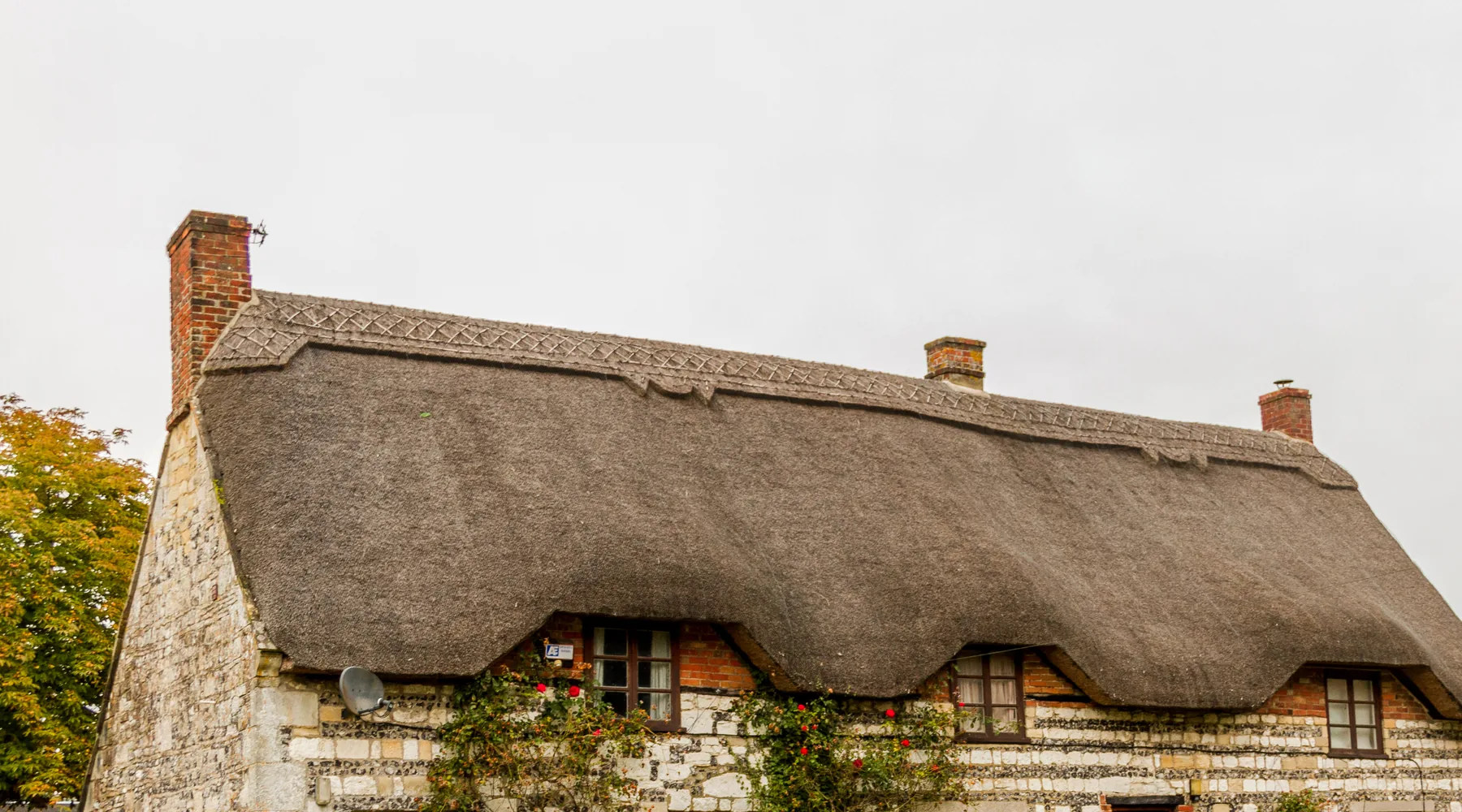
Price starts with the property risk, not the roof alone
Specialist insurers assess more than the presence of thatch. Howden explains that thatched homes can involve non-standard construction, specialist repair requirements and additional policy conditions. A listed or historic building can also have a higher or more complex reinstatement requirement than a standard modern house.
Keep a current property summary so quotation answers are consistent: roof material, known roof dates, listed status, chimneys, heating appliances, occupancy and recent major work.
Rebuild cost deserves its own record
The sum insured is not simply the market value of the house. Specialist repair methods, materials, professional fees and heritage constraints can influence reinstatement costs. Keep the valuation or professional basis used to set the figure and record when it was last reviewed.
ThatchKeeper does not calculate the correct rebuild value; it stores the value and evidence you choose to rely on.
Maintenance evidence can still matter even when it does not set the premium directly
A clean chronology of chimney sweeps, roof inspections, electrical work and heating changes helps you answer underwriting questions quickly and supports any policy conditions you are expected to follow. It can also reduce the risk of discovering missing evidence after a claim.
Compare policy conditions as well as price
A cheaper premium with more restrictive conditions may not be the better fit. Compare exclusions, excesses, endorsements, heating restrictions, inspection requirements and notification duties. Save each quotation and final schedule so you can see why the chosen policy differed.
Build a renewal history
Record the premium, insurer, broker, policy dates, major changes and the evidence supplied at each renewal. Over several years this creates a useful commercial history of the property rather than a pile of disconnected policy PDFs.
Source guidance can change. Check the current version and obtain property-specific advice where needed.