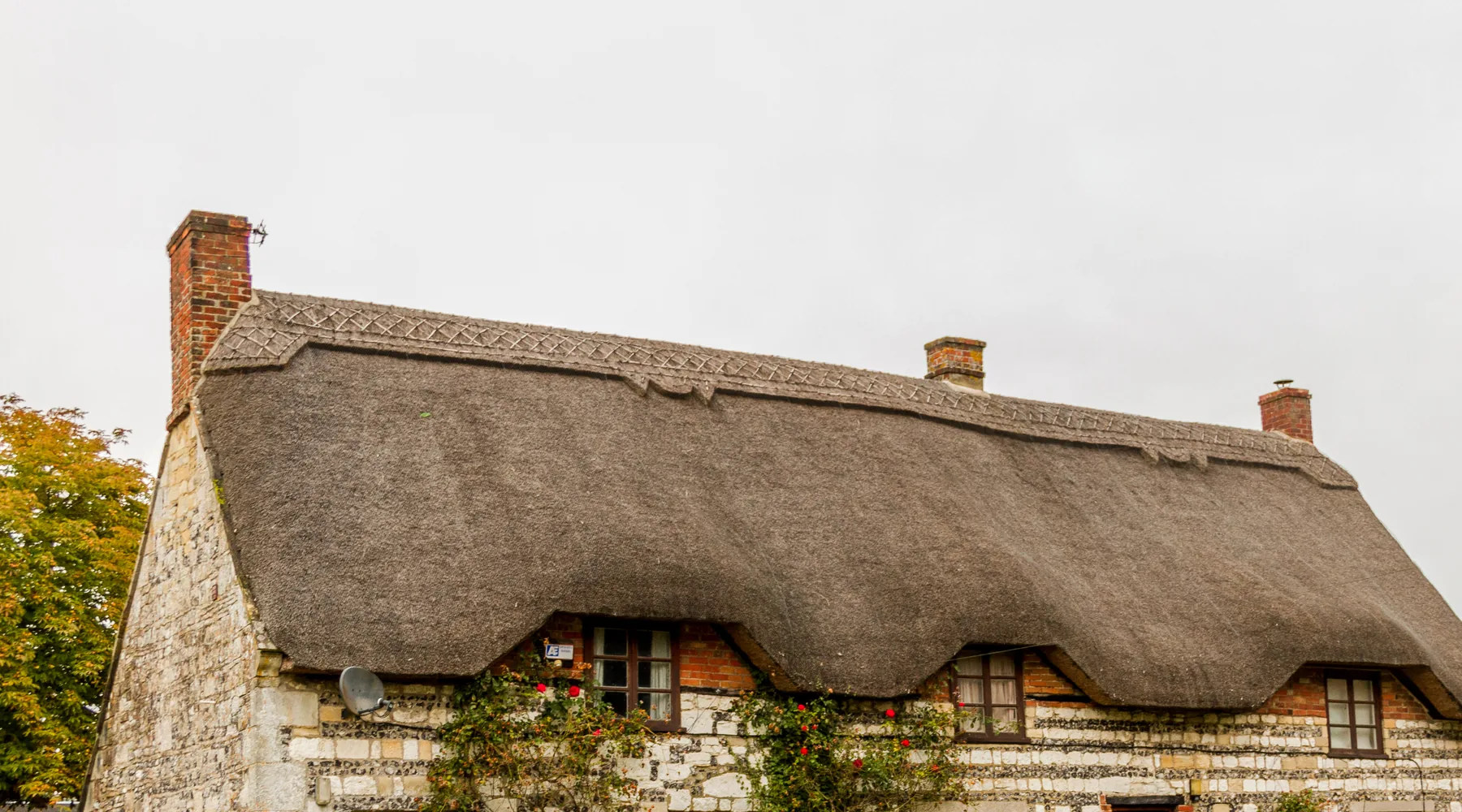
Describe the problem before the repair
Record the location, symptoms, date first noticed and photographs. Avoid diagnosing causes unless a competent professional has done so.
Keep the repair scope
Save the quote or written description and identify whether the work was patching, spar work, local replacement, ridge attention or something else. Historic England notes that patch repair can be a cost-effective response to localised damage.
Record material and contractor
Material matters in traditional thatch, particularly on heritage buildings. Keep contractor details and any statement about the material or technique used.
Save after photographs and invoice
The completion record should show the repaired area and final invoice. If additional problems were discovered, record them as separate findings.
Track the follow-up
A local repair may be a long-term solution or a way to defer larger work. Record what the thatcher advised and when they suggested looking again.
Keep the reason for the repair visible years later
When an invoice is opened years later, “patch repair £650” does not explain whether the work followed storm damage, animal disturbance, local thinning or an issue around a chimney. Add the pre-repair observation and professional diagnosis to the same record.
If the repair exposes a larger problem or the thatcher recommends follow-up work, create a new action rather than editing the old event until it looks complete. A good timeline should show the sequence of discovery, temporary control, repair and later review.
Photograph from both context and detail
A close-up shows workmanship; a wider image shows where the repair sits on the roof. Keep both. If scaffolding or access makes a viewpoint available that is normally impossible to photograph safely, ask the contractor for a few useful images while they are already working at height.
Plan repair follow-up
Record what was repaired, photograph the area and schedule the next owner-entered inspection or contractor review.
- Historic England — Conservation of Traditional Thatch
- Historic England — Repair or Renew the Roof in an Older Home
Source guidance can change. Check the current version and obtain property-specific advice where needed.