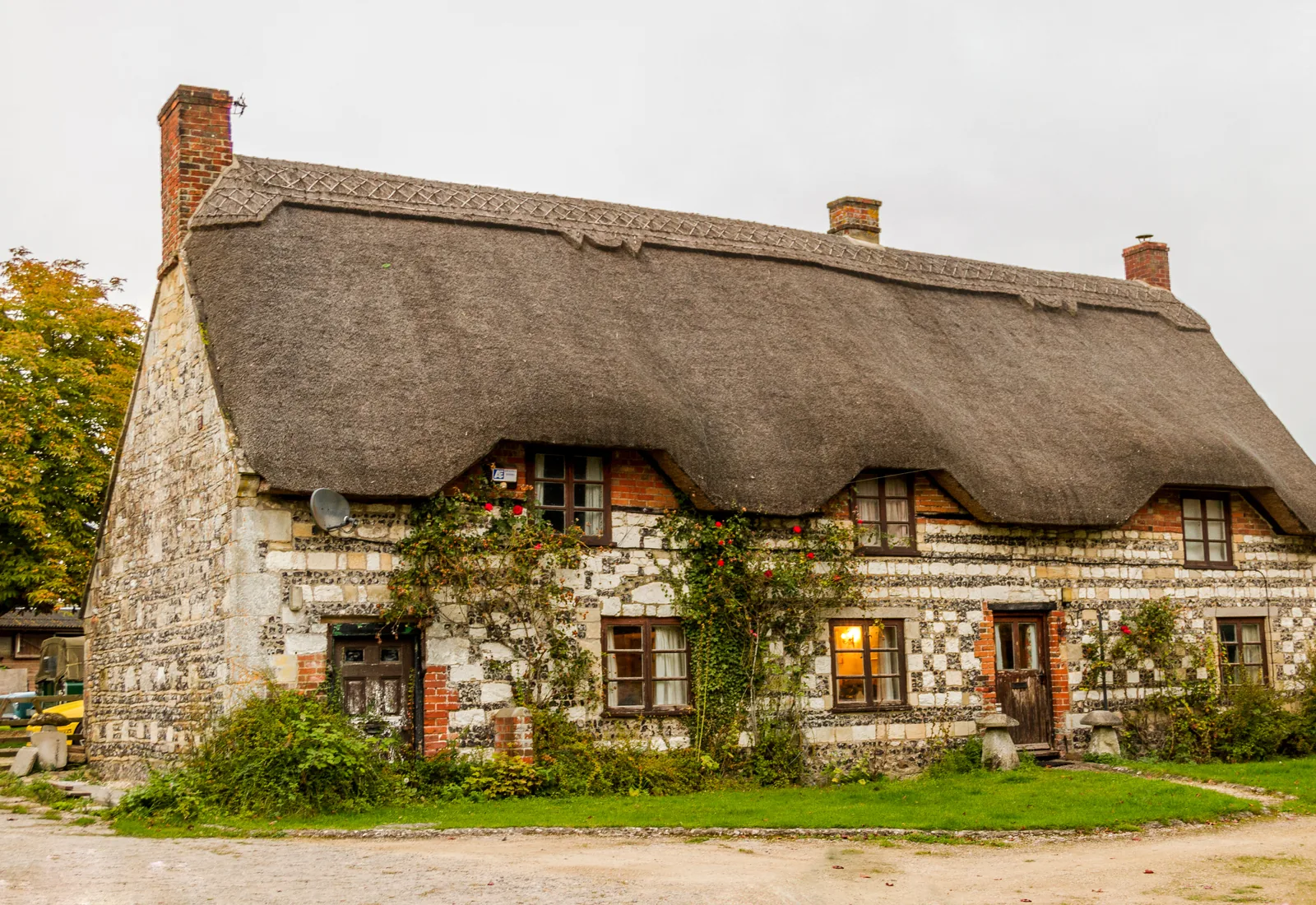
Start with the installation record
Keep the appliance make and model, installer information, installation certificate where applicable, flue or liner details, photographs and manuals. If the appliance pre-dates your ownership, record what is known and mark what is uncertain instead of inventing dates.
Keep servicing and sweeping separate
A stove service does not replace a chimney sweep, and a sweep does not automatically document appliance servicing. Maintain separate entries so the history remains clear.
Fire-service guidance also discusses safe fuel and stove operation. Keep any professional recommendations with the appliance record.
Notify when the policy requires it
Some specialist insurance policies contain conditions or notification requirements connected with stoves, wood burners or changes in use. Check the actual policy. If you ask the broker or insurer a question, save the written response and date it.
Record changes to the chimney
Lining, pot changes, repairs, chimney height work or other alterations should be recorded with contractor details and evidence. For listed buildings, some alterations can raise consent issues, so establish the position before work begins.
Make the next owner’s job easier
A buyer should not have to reverse-engineer the heating system from a stack of receipts. A chronological record of installation, sweeps, services and alterations gives them a useful starting point for their own professional checks.
- Hampshire & Isle of Wight Fire & Rescue Service — Thatched living
- Devon and Somerset Fire and Rescue Service — Thatched properties
- Howden — Thatch home insurance: managing the winter months
- GOV.UK — Conserving and enhancing the historic environment
Source guidance can change. Check the current version and obtain property-specific advice where needed.